 A DAY’S WORK OF A FENGSHUI MASTER This Chinese New Year eve, we would like to share with you the modus-operandi of a FengShui Master. Prior to an audit, he would have ‘spoken’ to the earth deity of the subject premises, be it using the QiMen oracles or simply by ‘knowing’ telepathically. He has already a framework, of what to do, who to help and most importantly, what the outcome would be. That is the homework, some called, remote sensing.
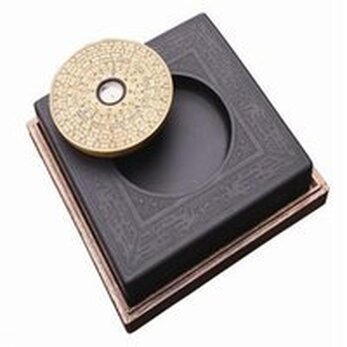
Upon arrival at the designated time, he don’t quite need to look at the QiMen oracle to tell him where the ShaQi or the ShengQi is. He is trained to recognise form. The foundation of all FengShui school vested upon ‘Cross Line Heavenly Heart’ or some contemporary called it ‘Naked Eye Method’, ‘Cross Road YinYang’ or even ‘Golden Lock Jade Portal’. He sums up everything by a look. He knows the history of the residents or occupants, when, where, how, who, why and which events happened and so forth, without the need to ask. He needs a LuoPan to do this? Nope. He walks around the property, observing forms. He has the QiMap in his mind. By a glance, he knows what the formation, the rectification needed are and the balancing YinYang that is warranted. All these without the need for the LuoPan. He then decide if he has been paid enough to change the formation? Whether the occupants deserved to be helped? He then suggest, he needs to set the meridians of such and such. Thus he opens his LuoPan. For short remedy, he uses quick fix employing perhaps, eight mansion the ‘correct version’ of ‘object placement’ with reference to the location of the door. There he measures from the ‘Heaven’s Heart’, to distribute the ‘stars’. Then he measures with his LuoPan above the navel and say, put a lamp there 24-hours, and the quarrelling will stop. Surprisingly, for whatever reason, the quarrelling stops … For longer remedy, he sets the meridian by ‘butting’ the LuoPan. This he did below the navel. Why below and not above? He adjust the ‘golden line’ with almost both eyes closed. Thus, he does not need a tripod nor a spirit leveler. All he did was he pre-calculated the ‘line’ turn it to that and make sure the needle does the rest of the work. Crude as it may, but this is the tested application since time immemorial. He satisfies himself that these were done correctly and paused for a second to ‘talk’ to the earth deity. Having confirmed, he speaks to the occupants that by when, they would ‘see’ the omen, event, and whatever name you ought to call, unfolding. He collects his token fee and called it a day. Short, simple and sweet …
1 Comment
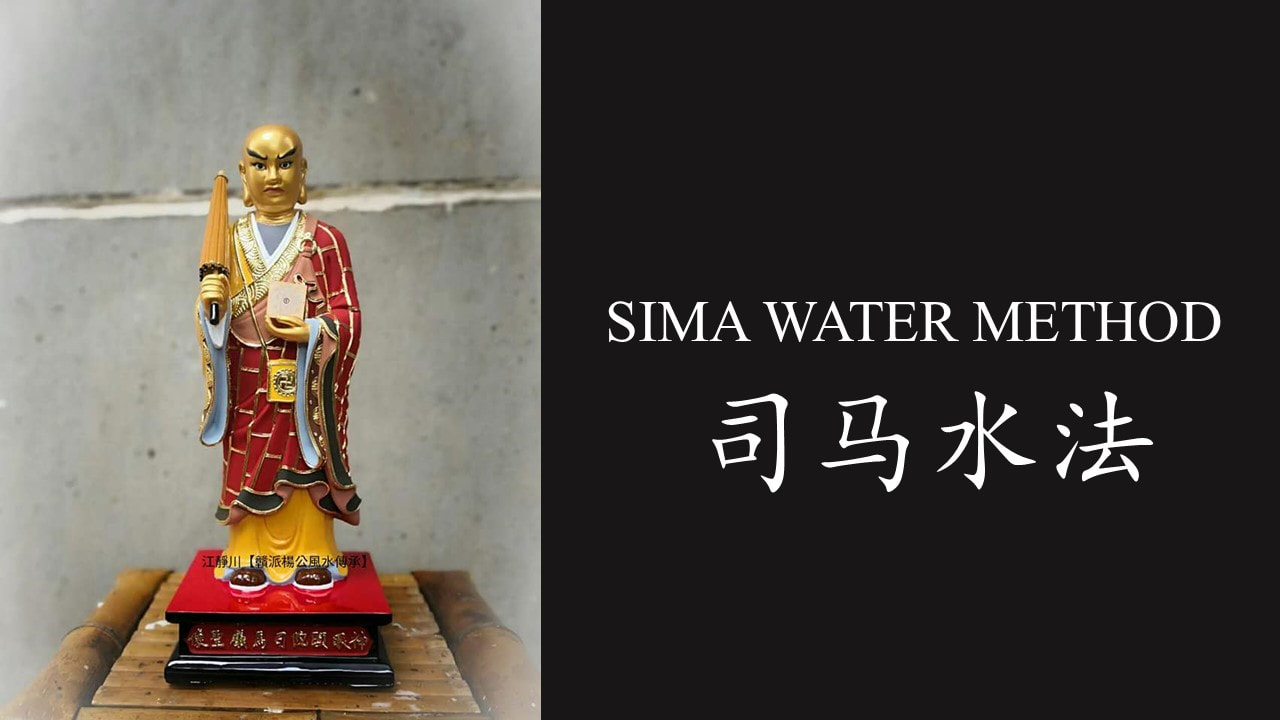 YUAN GUA 元卦Learnt that in Australia there is a revival of another form of SanYuan method. This is called YuanGua 元卦 method. Claimed to have been from the pedigree of GanZhou under the lineage of Liu JingDong, one of the first generation of disciple of Yang YunSong. For more historical account of him, read ‘here’. What is interesting of the claim from this lineage is, they are the only ‘family’ that is allowed to teach the ‘genuine YangGong’ FengShui method to outsiders. Very ‘fishy claim’. The other interesting part of the story is, the ‘transmission of knowledge’ was intact since the ‘cultural revolution’. A good point to ponder, as to how much has really left? Anyway, the ‘lineage holder’ is only allowed to teach the first of three parts within the entire knowledge for mass consumption. It was said that YuanGua 元卦 provides:
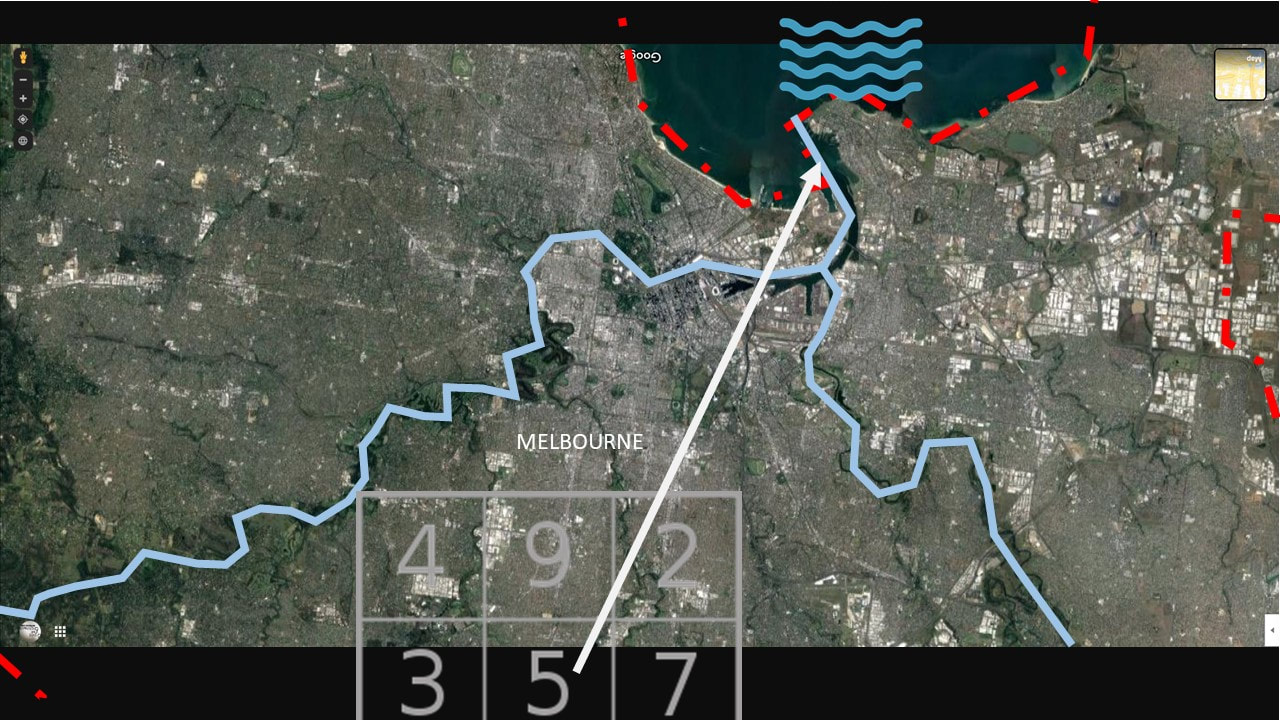
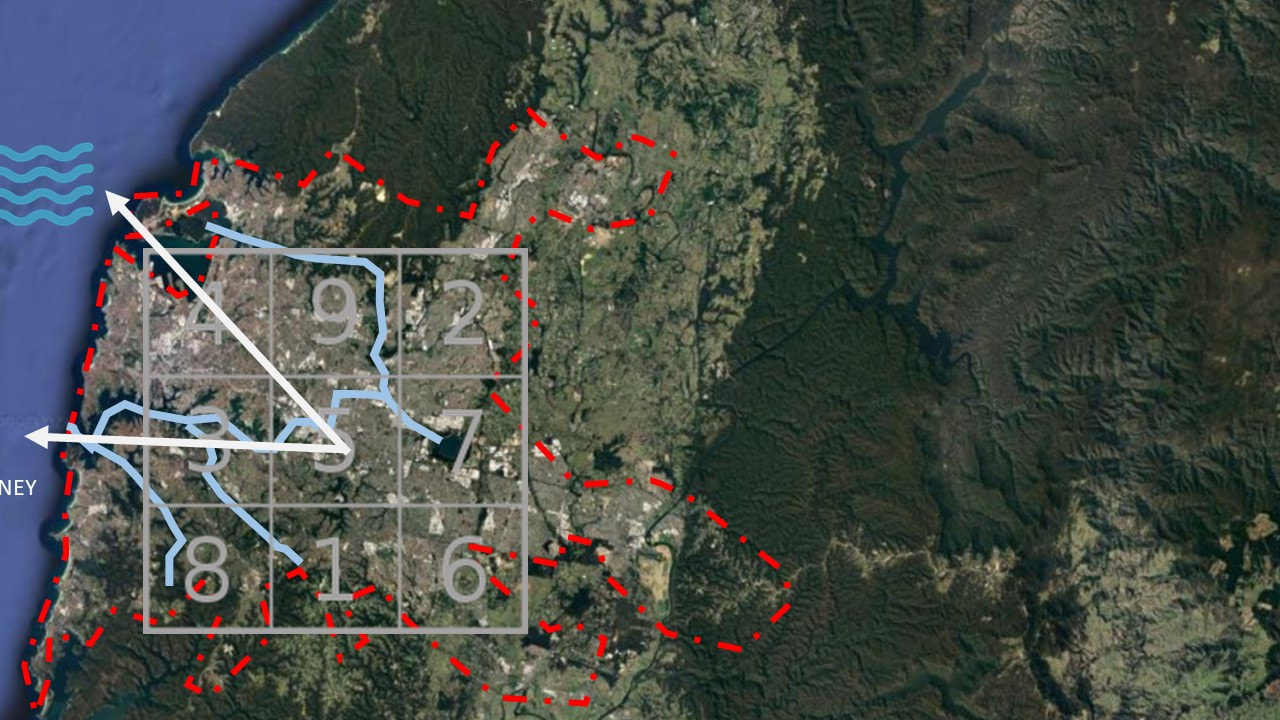
FORM 形 YuanGua 元卦 pays heavy emphasis on water mouth 水口, instead of dragon 龍.So far this is ‘agreeable’ compared to the ‘mass consumption knowledge’ of SanHe. When the period is ‘prosper’ and the prosperous ‘star’ is in the water mouth sector, the entire area will not be prosperous. This is because the prosperity is being ‘flushed out’. YuanGua 元卦 measures period based on the LoShu 洛書內丹盤. Quoting instances as in Melbourne, during period 2 there was a massive depression. In Sydney, during period 4 almost the same time the Sydney Opera House was built, another massive depression hit Sydney. Unfortunately this is not always true, for other cases. You can always do a ‘reverse engineering’ to proof this point. 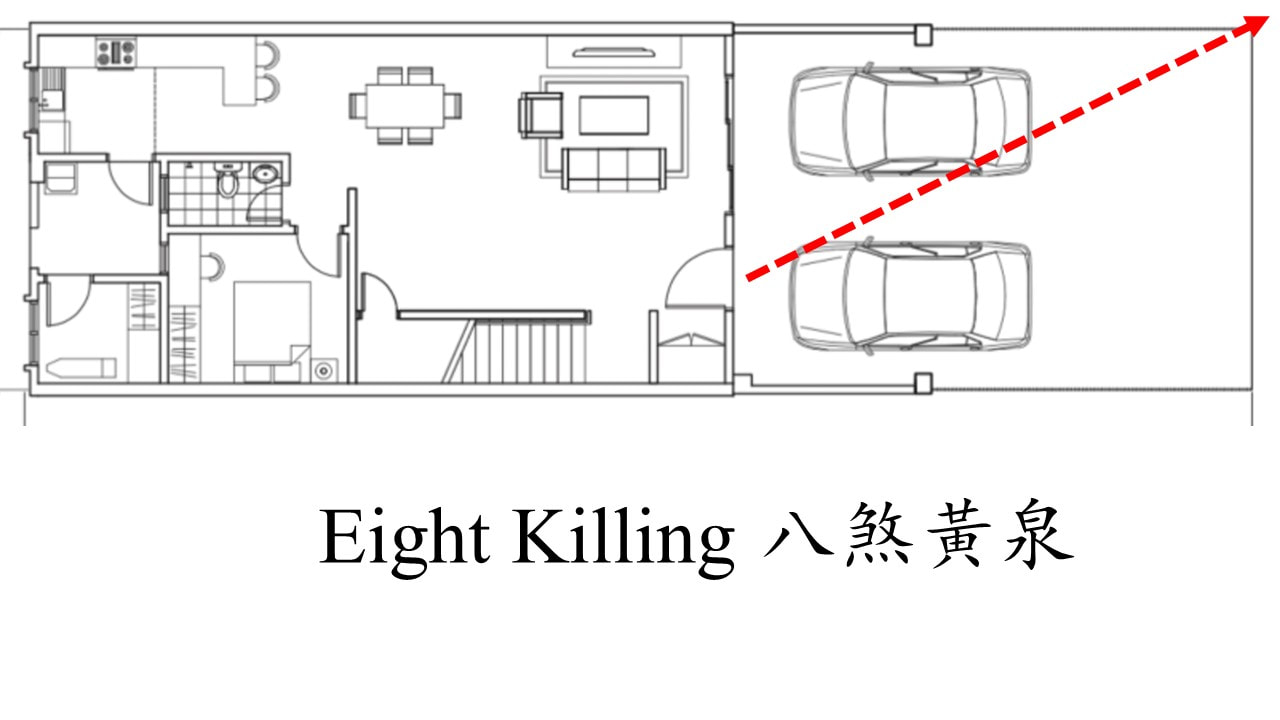 QI 氣YuanGua 元卦 pays heavy emphasis of immediate landform to Eight Killing 八煞黃泉. This method has been prescribed ‘here’. The only catch here is, YuanGua 元卦 defines, ‘fake’ and ‘real’ Eight Killing 八煞黃泉. This is ‘real’ Eight Killing 八煞黃泉 when conform will ‘screw up your FengShui’ big time, either in health 丁 via Eight Killing 八煞 or in wealth 財 via Yellow Spring 黃泉.There is an undisclosed way of determining this but in landform 形 itself it is very easy to strike this unlucky formation, especially in ‘terrace houses’. To illustrate this point, Eight Killing 八煞黃泉 will be activated once water is incoming 45 degree of your main gate relative to your main door. In normal situation, it will always be either to the left 龍 or the right side 虎. The chances are 50-50. If you strike the ‘real’, too bad. If you strike the ‘fake’, congratulations! So, what are the ‘fake’ Eight Killing 八煞黃泉? 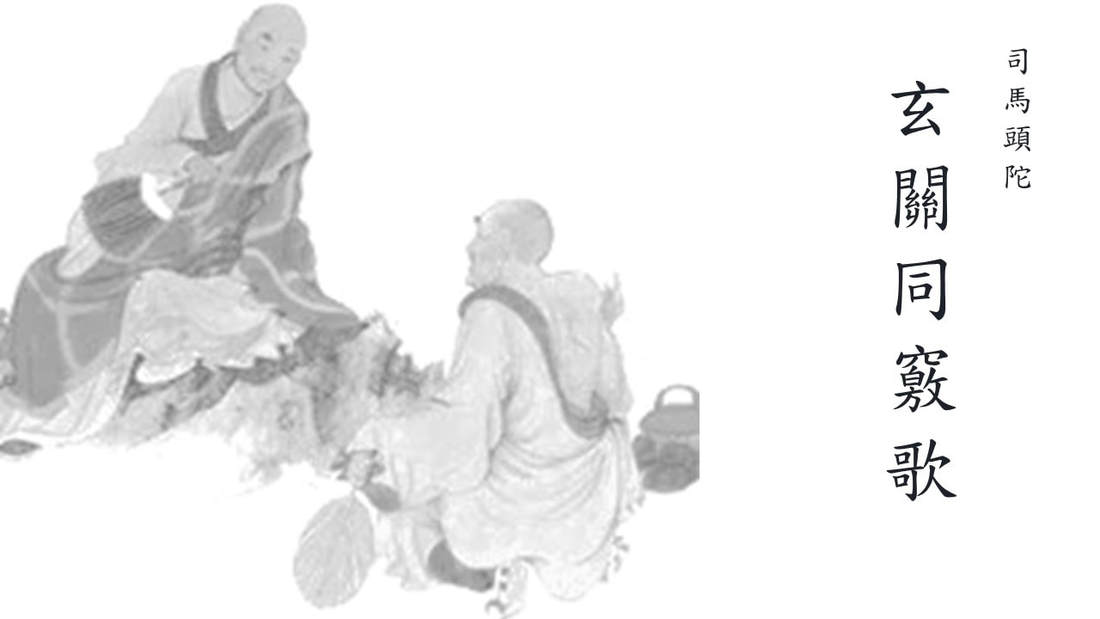 SIMA WATER METHOD 司马水法YuanGua 元卦 borrows from SiMa the Monk Water Method 司马头陀水法:
CRITIQUES Is kind of a cool, to belong to a lineage. There are plenty of lineages for sales in GanZhou, GuangXi. You take a stone and throw, almost anybody got hit is a lineage holder of GuangXi YangGong FengShui especially central within the descendants of Yang楊, Zheng曾, Liao廖 and Liu劉. This is where people says, abusing lineage rocks become lineage sucks!
The Liu劉 method has been largely available in the masses covering all the ‘popular theories’ from the Taiwanese styles SanHe to the HonKee styled QMDJ. The YangGong ‘old method’ school prescribed that these were watered down methodologies. The late LDX has a point, especially when you reworked the YangGong methods against the Eight Killing 八煞黃泉, one will notice that when YangGong methods are in place, Eight Killing has been automatically taken care of. SiMa Water Method 司马头陀水法 is only an extension to the YangGong methods. The YiGua 64 Hexagram is not only represented in 2D. Many ‘scholars’ of the YiJing had attempted to describe the 64 Hexagram of YiGua into 3D. But what exactly would you want to achieve by such permutation in 3D? 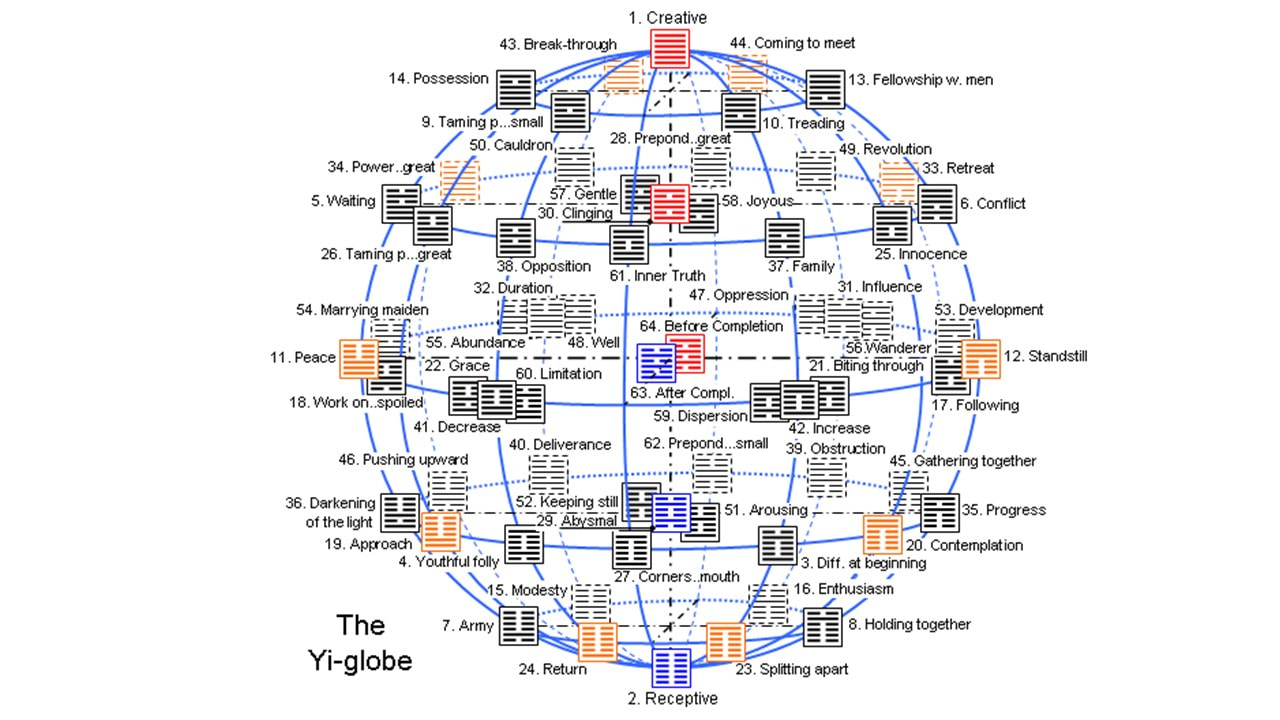 For one, YiGlobe tends to prescribed, “If the hexagrams of the I Ching are arranged in the space between the Creative and the Receptive according to the laws of change – and following the principles of symmetry and balance – a sphere will be produced. This sphere represents the whole universe, similarly to other circular and spherical symbols found in the myths. This is the Yi-globe.” Well, in other words, “sphere represents the whole universe, similarly to other circular and spherical symbols found in the myths” is like telling you “I know nuts about what I talking about.” For another, Nassim attempted to give meaning to the YiGua into his model of the universe, torus by relying on ‘artificial assumption’ based on writings in the internet. He is close, but not yet there… The ‘torus’ model showing one, uplift motion corresponding to another downward motions can represent how Qi spiral, thus the figure ‘8’ of the Early Heaven BaGua. Truly, how was these derived? 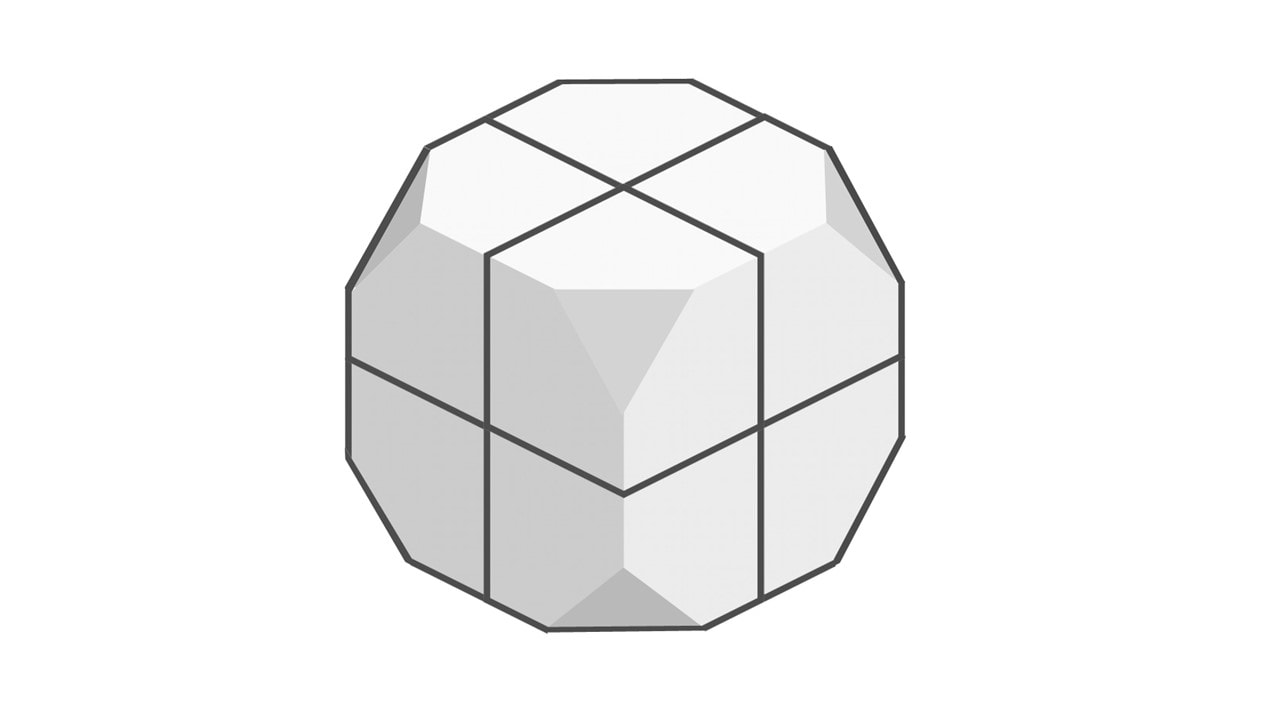 For the proponent of SanYuan DaGua SYDG 三元大卦 (Not XuanKong DaGua XKDG, as they know nuts about these), this 3D models attempt to ‘categorise’ the family, its usage, its efficacy and last but not least, its ‘effect’ of how an application of the Early Heaven principle be represented in the Later Heaven arrangement to be applied via its Middle Heaven application. 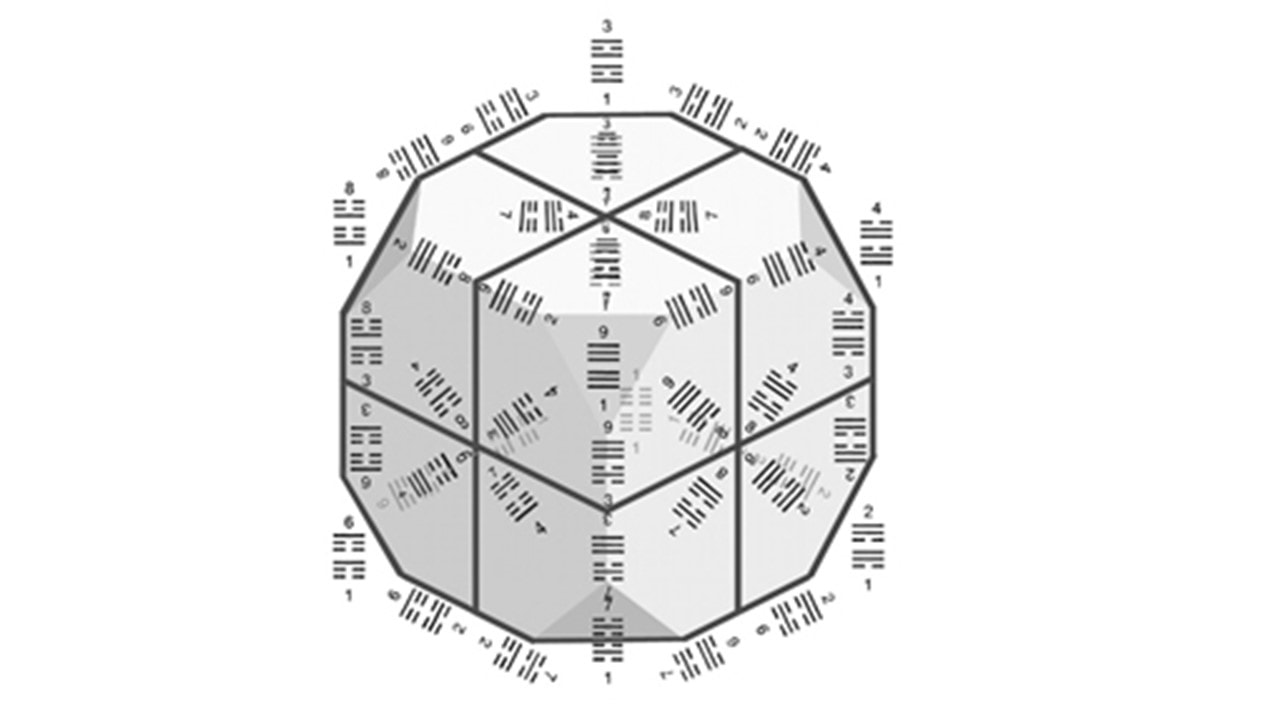 Yes, you read it correctly, Early-Later-Middle. The magic is vested in the ‘Mid Heaven Gua’. That can be rationalise in this 3D model. Surprising, this is exactly how, olden day master teach this 3D of ‘hyperspace’ to their students, way way back before we have developed the branch of physics called, string an m-theories. Hey, who says our ancestors are human? They are alien… 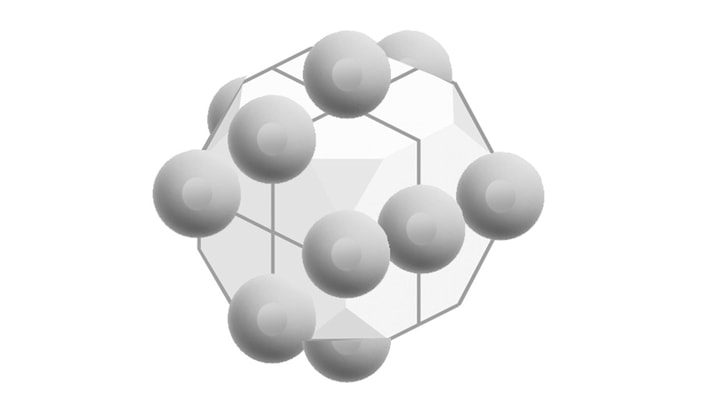 I will not go into ‘nitty gritty’ of illustrating how this 3D is assemble, but just give a teaser as to what the outlook is… You construct ‘A’ you get ‘B’ and you distil ‘C’… This again, is not ‘lineage secret’ but many schools did not know such fundamental. If only they know, they will ‘discard’ XKDG in favour of SYDG. This is also where your ‘application’ of BaZhai is derived from. Happy hunting…
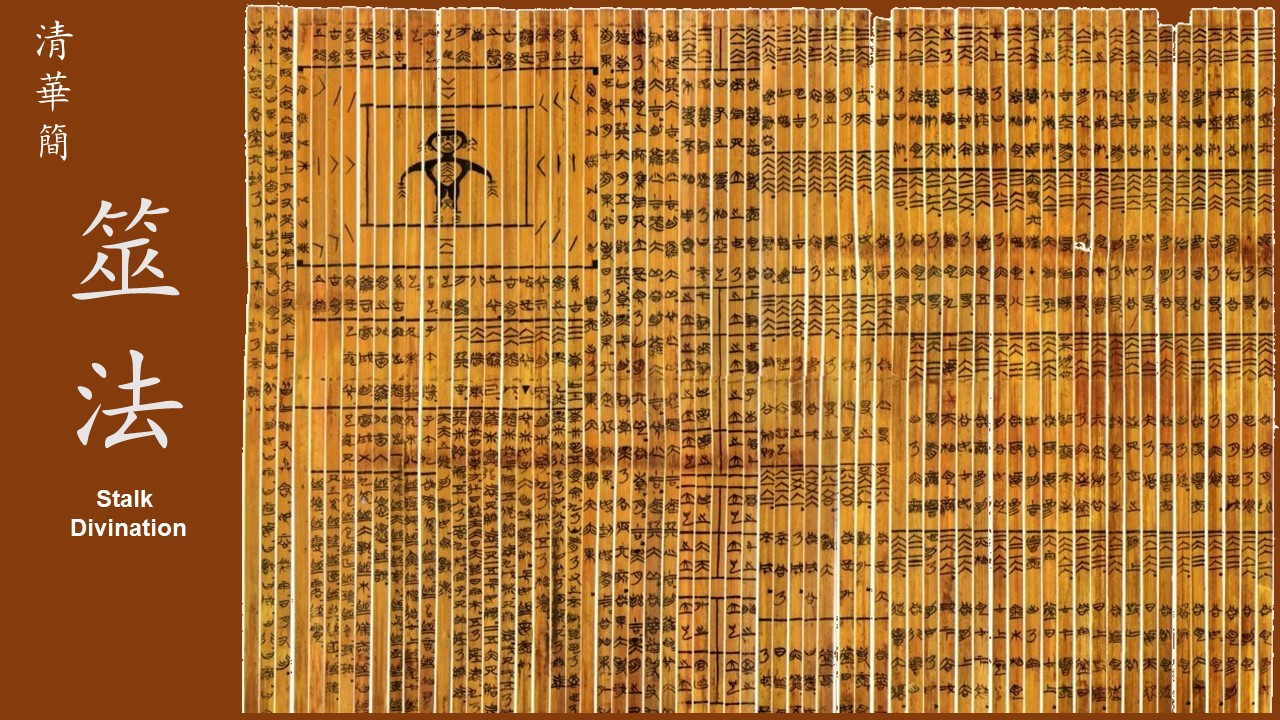 This book ‘Stalk Divination’ presented to me from my student was said to contain the illusive LianShan GuiChang Gua, somewhere in 2018. While contemplating to pen my thought, my Hard Disk HDD busted. Using the high end computers, the HDD could not recovered, until quite recently in 2020. I managed to use a ‘docking station’ fixed to an old computer, running Win-7 to retrieve it. Thus, this ‘overdue’ writing. 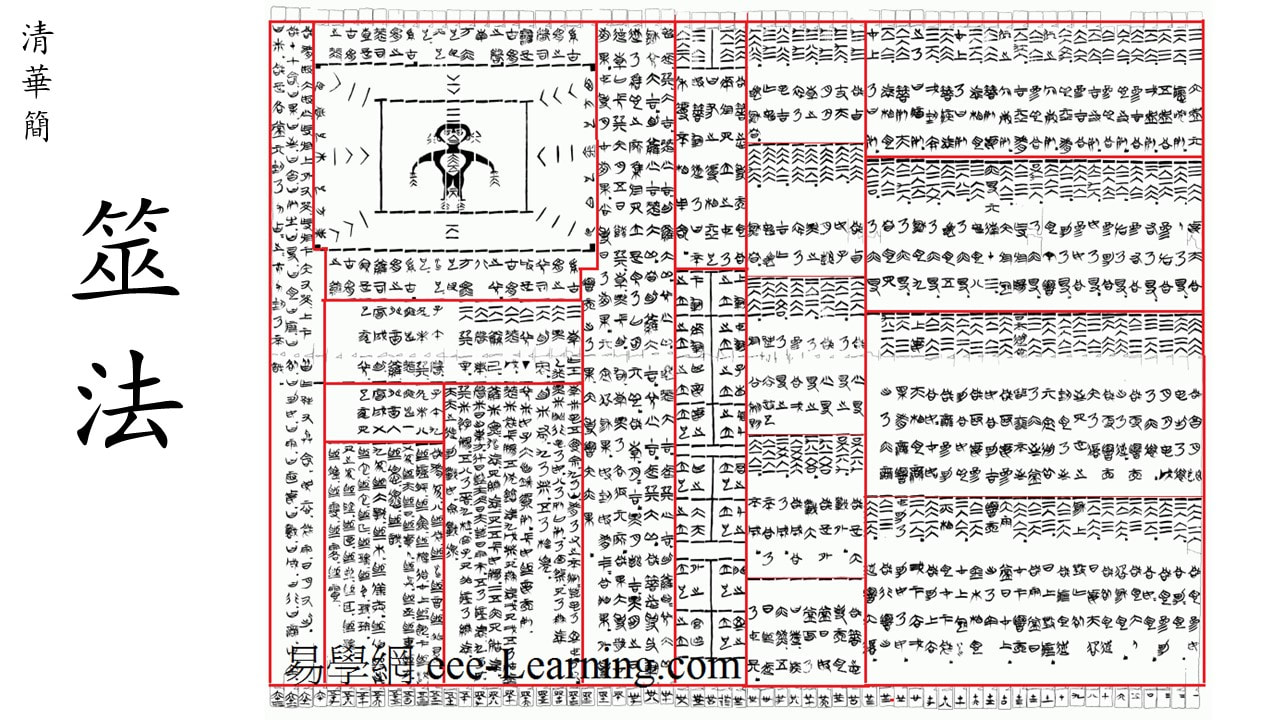 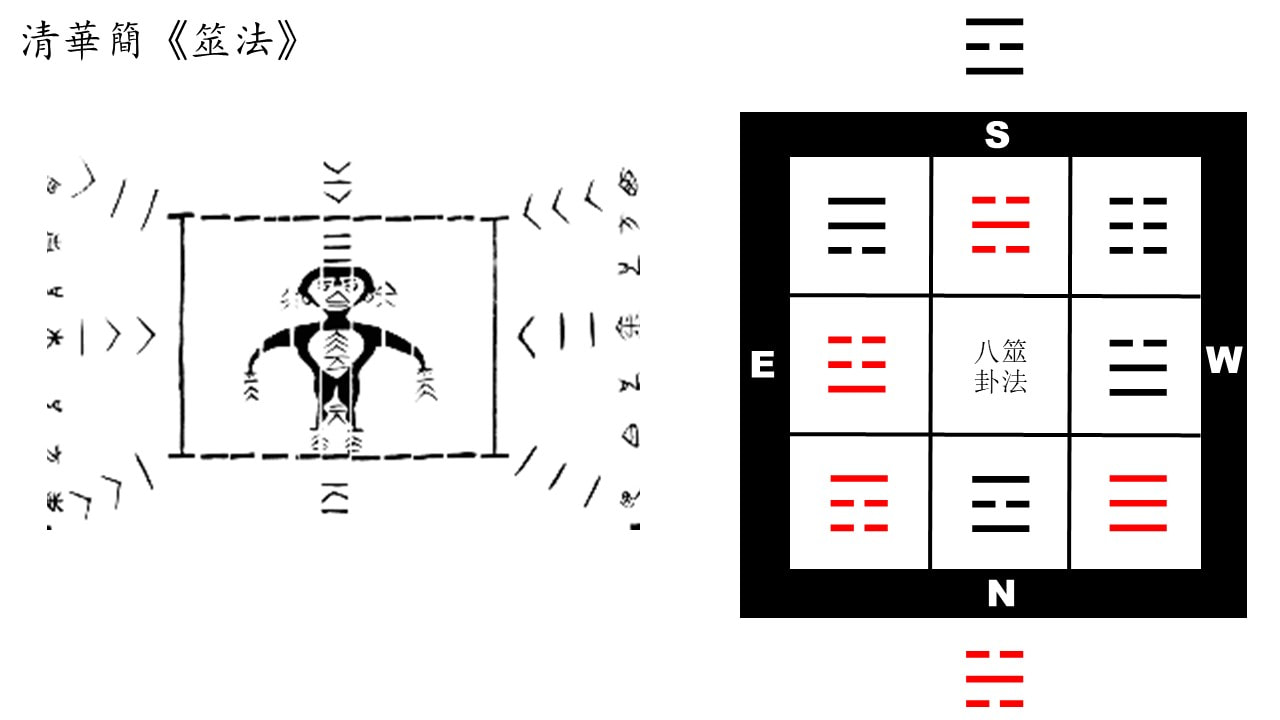 Was said to be an alternative to YiJing or ZhouYi. It was believed to be part of the ‘extinct’ LianShan GuiChang Yi. Is it true? The Eight Trigram arrangement similar to Later Heaven but the Li and Kan has been interchanged…, thus a new form of BaGua. Mid Heaven Gua? Why did the Li and Kan interchanged? 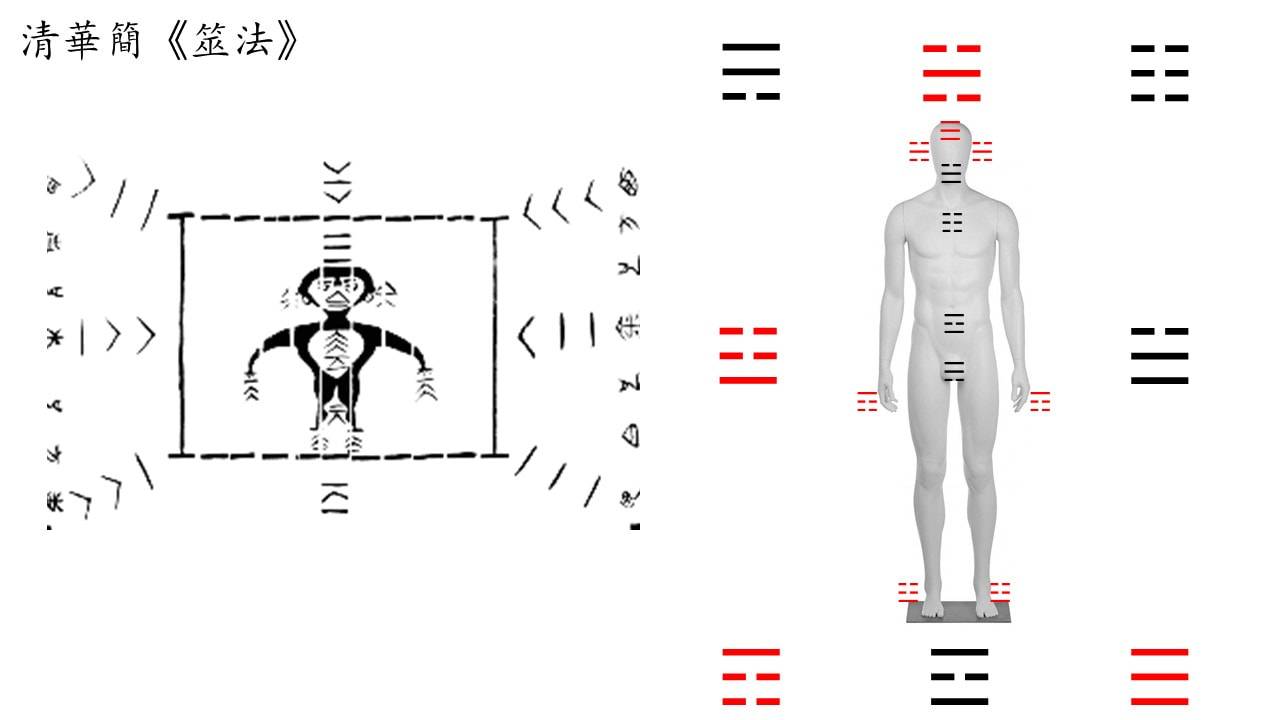 It also shows how the BaGua is assigned to the human anatomy. Unlike the YiJing, the Gua assigned are all different. What is the rationale behind it? What is the actual application? 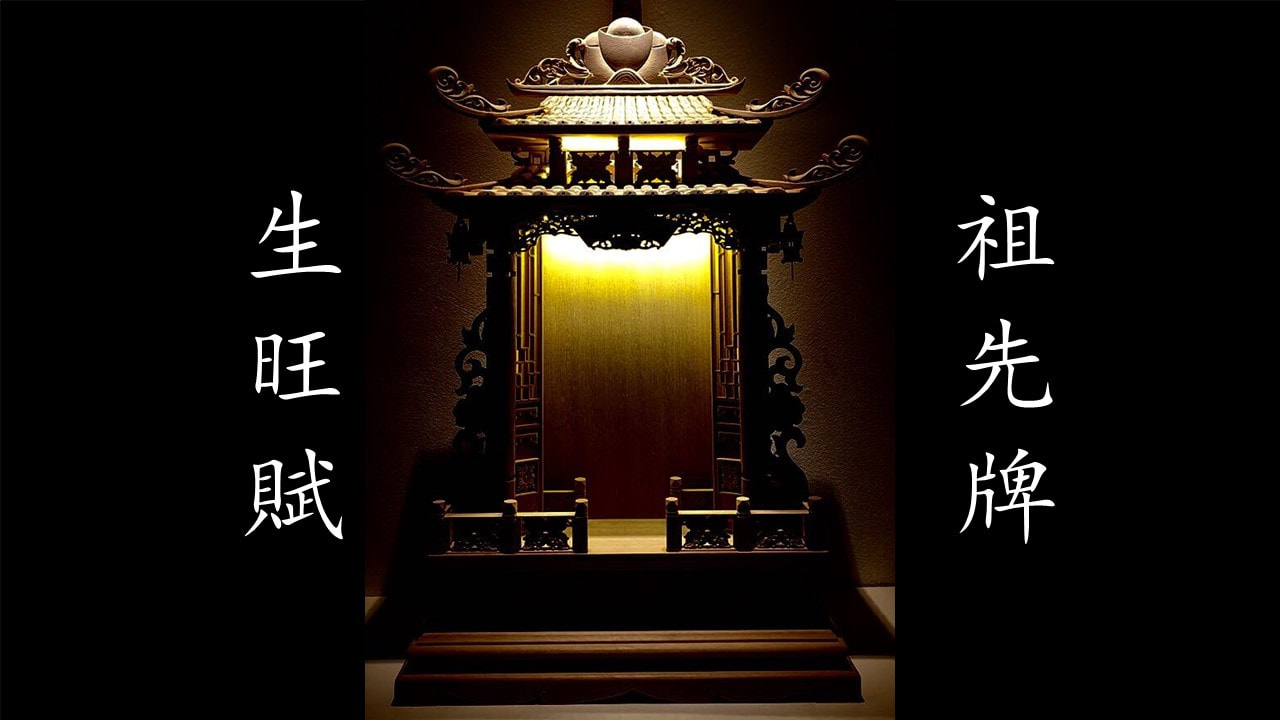 THE ANCESTRAL TABLET GROWTH PROSPER SCRIPT 祖先牌生旺賦Often when we audit a house FengShui, the ancestral tablet says a lot of thing about the household… just by looking at the inscription. The main inscription of the Ancestral Tablet usually follow the character arrangement of “Growth Prosper Script”生旺賦. This script differs from one place of origin (clans) to another. 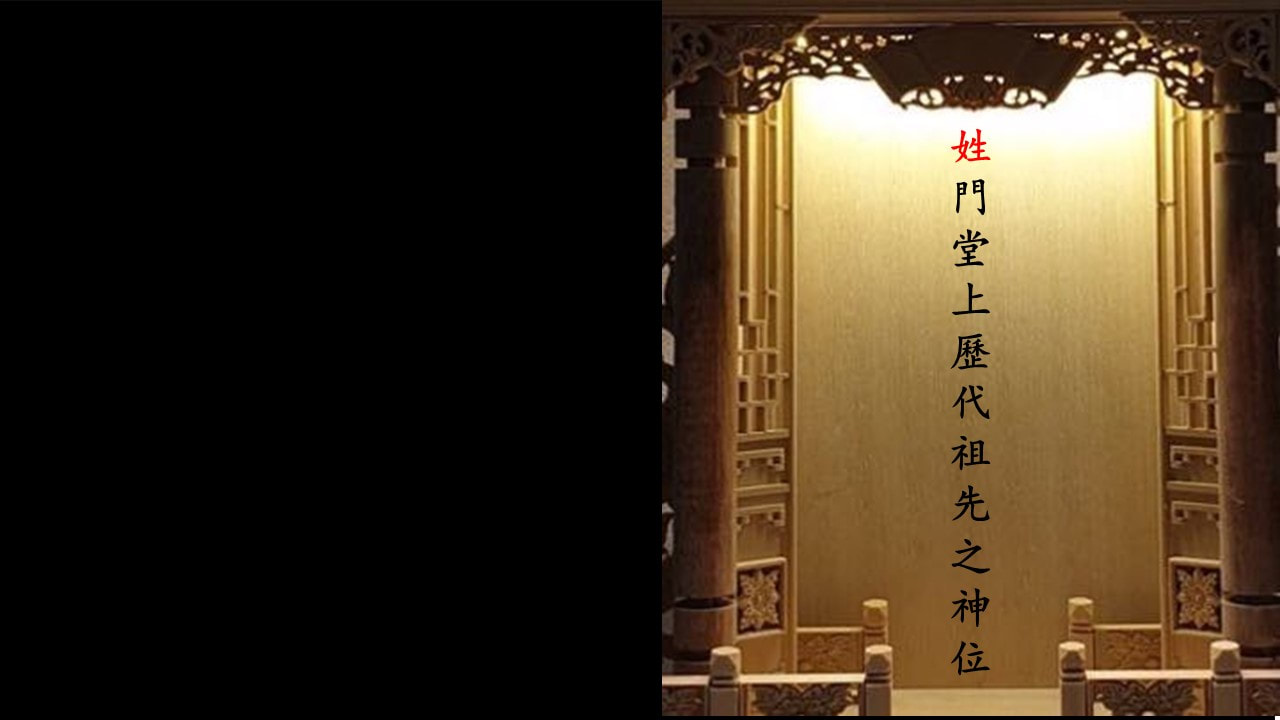 For example, to the Cantonese community, the inscription spelt: (姓)門堂上歷代祖先 (之) 神位 [Translated as] “(Surname) ‘door’ [meaning ancestral] hall upon generation lineage past ancestral this spiritual position” Comprises of 11 words, following the order of “Growth, Old, Sick, Death, Extinct” 生老病死苦, whereby, Growth is the start taking the element of wood, producing fire, earth, metal, water in a producing cycle of 5 elemental interplay. The last character, must therefore sits on “growth” 生, wood. Although the 11 words arrangement of the inscription is correct, the words within these arrangement have significant errors that not many people could understand. Foremost there are rules governing the grave and the ancestral tablets and these rules are not the same. Only true initiated practitioners would be able to discern the differences. That is why by looking at the ancestral tablet, one will understand the luck befallen the family. So, these arrangements, (姓)門堂上歷代祖先 (之) 神位, as far as the author is concerned, even though it was claimed to have been complying with the Cantonese clan, is unfortunately incorrectly worded. 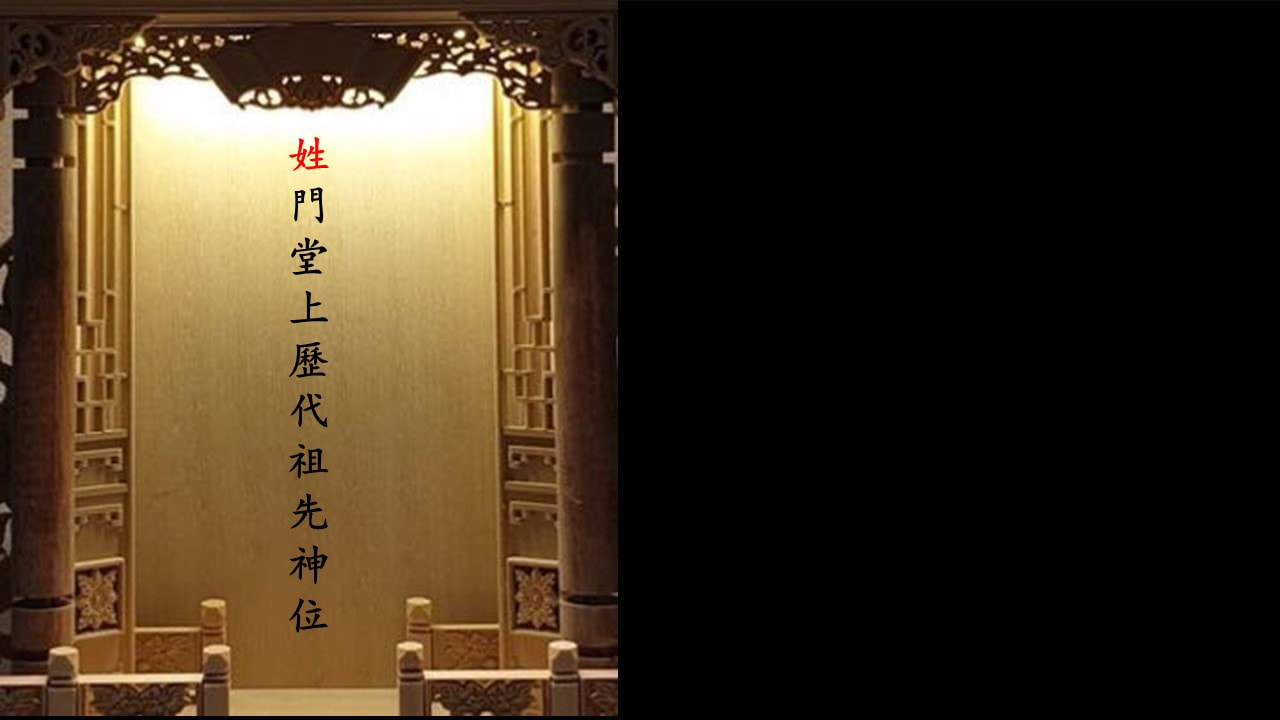 The Hakkas, as being the “Guests”Clan has technically no “ancestral village” to return to. So, they are free to choose any clan to follow. The FuJian, subscribed to only 10 characters for the inscription, (姓)門堂上歷代祖先神位, [Translated as] “(Surname) ‘door’ [meaning ancestral] hall upon generation lineage past ancestral spiritual position”. The word, “this” (之) is not included. The reason is the “Growth Prosper Script”生旺賦 that Fujian people use is different namely, “興旺敗劣” where the last character “position” 位 is prosperous 旺. 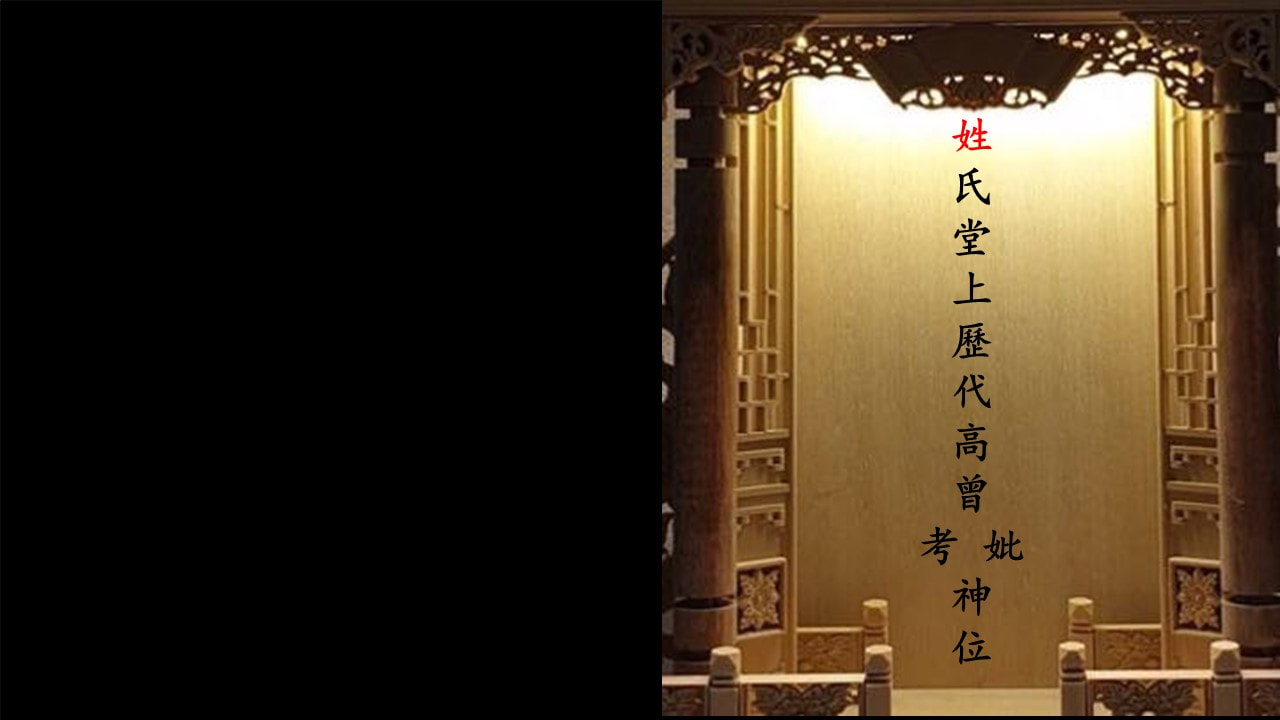 The Hainanese, adopted a 11 characters inscription such as (姓)氏堂上歷代高曾 ‘考妣’[兩字並列當成一字] 神位, translated as “(Surname) ‘clan’ [meaning ancestral] hall upon generation lineage high [“the late” patriarch/matriarch]-[to be read as a single character] spiritual position” with “Growth Prosper Script”生旺賦 of Growth, Old, Sick, Death, Extinct” 生老病死苦, being the last character “position” 位 is “old” 老. In summary, the last character “position” 位 for: 1. the Cantonese must sits “growth” 生; 2. the Fujian must sits “prosperous” 旺; 3. the Hainanese must sits “old” 老 and 4. the Hakka can choose other clans to follow. This article was written in response to some Chinese articles of the same subject. Again, there is very little consensus on these. What we had written is based on our own school of thought minus the “trade secrets” of making the FengShui works… Do YOU Want to KNOW More? Please GIVE us MORE 'LIKES'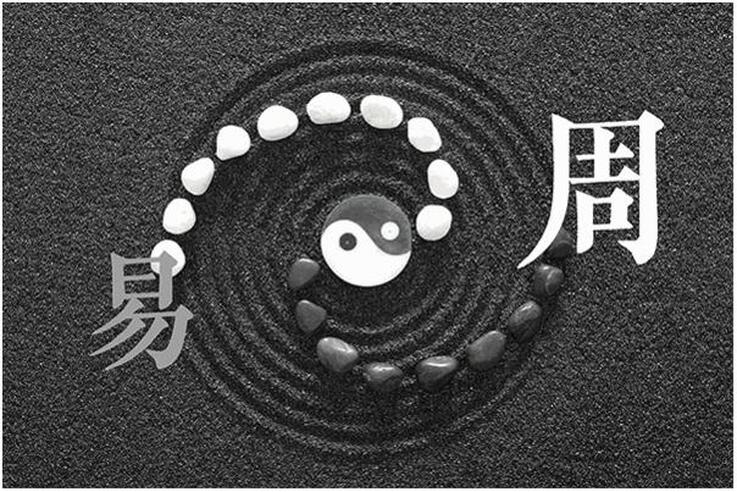 Interesting to have dug an old article by Roger T. Ames, “The Great Commentary and Natural Cosmology, Int. Commu. Chin. Cult [2015] 2(1):1-18, dated 5 March 2015, that kept me pondering on the aspect of “The Great Commentary” YiJing 易經. What exactly are all these that plenty of people simply called it YiJing 易經? ZhouYi 周易ZhouYi 周易 can be categorically divided into YiJing 易經 and YiZhuan 易傳. The former as in the “Classics” or Jing 經 relate to “Divination” ZhanBu 占卜 while the latter as in the “Commentary” or Zhuan 傳 relate to the “philosophical view” of the later dynasty.  The Ten Wings 十翼 or “The Great Commentary” DaZhuan 大傳These commentaries were categorised into the “Ten Wings” 十翼, “wings” being the meaning of “elevation to a higher pedestal of knowledge” typically means you ought to fly in wisdom after knowing these commentaries. The Wings comprises of:
 The Yi of “Flux, Transformation and Unchanging” BianJian BuYi 變簡不易Taking a script out of “The Great Commentary” DaZhuan 大傳, it says: “Thus the closing of the swinging gate is called kun 坤; the opening of it is called qian 乾. The ongoing alternation of openings and closings is called flux (bian 變), and the inexhaustibility of the comings and goings is called continuity (tong 通). When something is manifest, it is called an image (xiang 象), and taking on physical form it is called a phenomenon (qi 器). To fashion and make use of these things is called emulation (fa 法). Putting them to good use in everything that is done so that all of the people can take advantage of them is called spirituality (shen 神)” As one can see, YiJing 易經 is just not simply talking about “changes”, instead it explains about the beginning 乾 of the end 坤 and the end 坤 of the beginning 乾 of things 易:
Li,Qi and Xiang 理氣象Often than not one would like to bastardize YiJing 易經 with other Neo-Confucius classics such as that Qi 氣 is unexplainable without the “logic” or rational behind that is called, the principle 理. It is not wrong to assume such but the actual meaning of the Heaven and Man comes together, TianRen HeYi 天人合一 has been misunderstood without the element of “manifestation” 象, owing to a political and intellectual confrontation between the school of rationalist 理學 with that of the imagery 象學 during later Song dynasty. Truly speechless when one quote the YiJing 易經 and not referring to it as this book is just not about being a normal book, reading it requires technique. 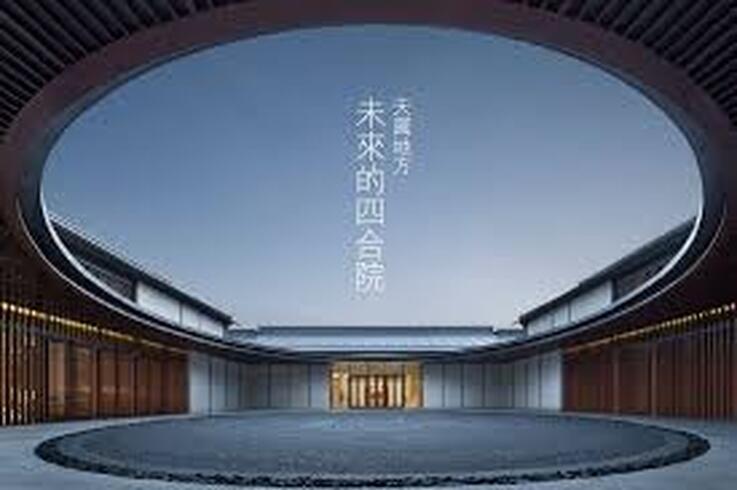 Heaven Round Earth Square 天圆地方 or The Other Way Around?When you google this “Heaven Round Earth Square” 天圆地方, you will be served with plenty of articles pointing the geocentric approach of early astronomer looking above the sky as a “globe” and the earth reaching the furthest horizon as a “flat disc” and truly, “flat earth” proponent is never a modern phenomenon and for such reason, you get “Heaven Round Earth Square” 天圆地方. To further emphasise on such, examples were also given such as the Temple of Heaven 天壇 in the Forbidden Palace was round instead of square, the Chinese coin which is round having the centre as earth is punctured square and so forth, yet why the LuoPan or ShiPan is designed in such that the Heaven Dial which is round is inside the Square Earth plate? Earth containing the Heaven? Absurd.
Modern science had found it to be in the contrary. In fact, “Heaven is square, Earth is round” 天方地圆, taking into consideration of a spherical earth and the colossal of the multiverses and the question remains to be true, as who is correct? Let’s dug up YiJing 易經 and see what it says? “Heaven Round Earth Square” 天圆地方 in YiJing 易經 has to be given the perspective of “Flux, Transformation and Unchanging” BianJian BuYi 變簡不易. Taking the arrangement of the Early and Later Heaven BaGua, isn’t the Heaven is Qian and the Earth is Kun implying Heaven is Li, Fire and Earth is Kan, Water? In YiJing 易經, the 5 elemental shapes prescribed that fire takes the shape of Round and Water takes the shape of Square? Thus, Heaven is square, Earth is round” 天方地圆? 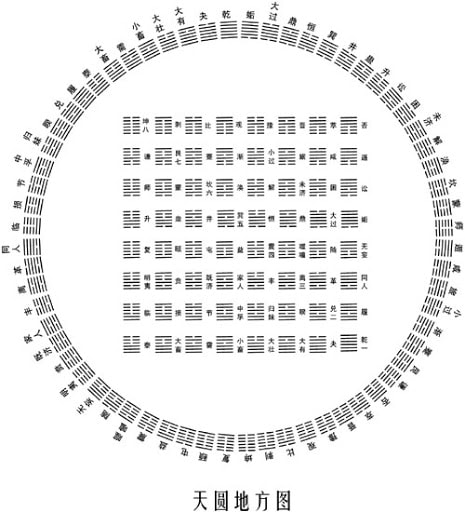 Conclusion, it is very interesting to look at YiJing 易經 not from a fixed perspective but from the myriad angles of “Flux, Transformation and Unchanging” BianJian BuYi 變簡不易 and you will be dwarfed by the revelations it portend. For the readers information, these opinions were not new. It has been mentioned many times especially in the Chinese language forums for quite a number of donkey years. It is just too bad that the English forum has yet to catch up with it... This is for reading pleasures and had nothing to do with anyone or any matter whatsoever. It is only a point of view and should you disagree, it is an honor for you just to disregard it. Otherwise, a SHARE and a LIKE are some valuable and appreciative gestures you can shower us in return. Thank you.
 天地人,三才 meaning Heaven Earth Man, the 3 matters, aptly to be called 三元,SanYuan has been bastardised in Chinese Metaphysics, more so in 风水,FengShui because most of the people talking about these are 江湖师,or common masters with shady pedigree. They have to resort to everything to make up the bucket full. Is ok, what to do? No right or wrong about it...
More importantly, have anyone discussed before the effects of 中天卦,or Mid Heaven Gua to the effect of FengShui? What is this? We were told that there is 先天卦,Early Heaven Gua is known to be something you want to control but you cannot control.... this is the 天,Heaven aspect of things. 后天卦,Later Heaven Gua is something you can control, but many people fails to control... this is the 人,Human aspect of things. 中天卦,Mid Heaven Gua is where you can control the uncontrollable ... this is 地,Earth aspect of things. Did anyone explain these? I purposely wrote about 天地人盘,Heaven Earth Human Plate as a pre cursor but it does not explain the meaning of 三元,SanYuan or 三才,SanCai... many also confused that 人 aspect is 中天,Mid Heaven... entirely misleading because of the wrong perception of 人,human always in between Heaven and Earth. They are confused as to which Heaven one is measuring... Having said that where is your 中天卦,mid heaven Gua? Go ask your 师父,Master where is this illusive things? Sure they tell you is lost.... because they will say, 连归卦,Lian Gui Gua, no longer exist. These they erred big time. Because, every legitimate 风水,FengShui method, there is 中天卦,mid heaven Gua application, otherwise the method doesn't work! So, do you need 八字,BaZi? In BaZi, the entire trinity of 三才,SanCai is already there... The 天,Heaven aspect of the natal chart, is the 定卦,Fixed unchanging Gua, the LP, is the 易卦,the 人,human aspect.... where is the 地 Earth aspect? So, as one can see... it is not true that you need to use BaZi in order to do FengShui.... BaZi itself has its own 中天, mid heaven. No need to mix and match. I don't blame anyone using 易经,YiJing for inspiration to make up another bucket full of craps... YiLi 易理,is the philosophical aspect governing 人 human aspect, not 地, Earth as in FengShui. That is why when we ask, how your YinYang turns, nobody can answer… This is very fundamental, but not many people knows and alas, all these 江湖师,or common masters with shady pedigree come out by the bucket loads to teach FengShui… Often you heard that 生死有命,富贵在天,meaning Life and Death is within your Fate, Prosperity and Nobility is granted by Heaven. So you can see, it is entirely different matter. FengShui is dealing most with Nobility and Prosperity and this has to do with Heaven, something you wish to control but cannot control. Because of this people linked it with Karma, and it is one thing that is incomprehensible, Acinteyya (a pali word, please google for its meaning), yet people speaks about it pretending to be holier of the holiest. This is not FengShui... Everyone is born in this world not as an 'untainted white sheet', each is the bearer of one own's karma. Who grant you the authority to muddle into other people's affair, especially so by using, FengShui? So you can see... that is why genuine school will tell you to 话说七分留三分,留下三分积儿孙。Quote seven points reserve three points, leaving behind three points for your children and grandchildren.... are you going to conveniently use BaZi to diagnose someone else problem and use FengShui to cure? Who are you? God? And truly, if FengShui can only works for people who is good luck, therefore you need to vet their FengShui first, may I suggest, you don't do FengShui, stamp collection is a better choice. In fact, Good Luck people no need to hire FengShui master, anything they do is already good vibes. Bad Luck people also no need to hire FengShui master because whoever they hire is lousy Masters, so their FengShui cannot work... so why bother looking at their BaZi? No brainer isn't it? LiChun 立春,is here today at 5:03pm. Let's be less superstitious and have a great year ahead, knowing that the Year of the Rat isn't Rat, but Zi 子,the beginning of everything prosperous, a dawn of a new beginning and don’t waste your time waiting in line at the ATM to deposit your money… If you like this article, please give a LIKE otherwise, kindly ignore. Comments are welcome in QuanYuan’s FB Page as some FB group is not very happy with people asking too much question that their sifu cannot answer. Cheers.  Dark Gold Divination 暗金伏断Dark Gold Divination暗金伏断 was derived from the book called Select in Seeking the Truth 选择求真. The book state: 七曜禽星会者稀,日虚月鬼火从箕,水毕木氐金奎位,土宿还从翼上推。 Translated as: ‘Seven governing start detailed explanation, when the sun enters Xu 虚 the moon enters Gui 鬼 fire is overwhelming, water star at Bi 毕 wood star at Di 氐 metal star at Kuei 奎 position, earth asterism pushed from the wings. Apparently, it is the spin-off study of the Seven Governors and the Four Remaining 七曜四餘.
To the practitioners of Dark Gold Divination暗金伏断, they understood that these verses referred to the asterism Kang 亢, Lou娄, Niu 牛 and Gui鬼, four metal elements that can divine matters, thus given the name Dark Gold Divination 暗金伏断. When the current annual star arrived at the Zi 子 such is the star attire. Here, there 2 more considerations to be reckoned with:
Such as:
Seven governors’ governing year七政值年 are the sun, moon, fire, water, wood metal and earth classification based on the degree within the week as the starting point. In the:
Elemental governing year four asterisms grouping:
Sequence as the seven governors travel into each of the branches: 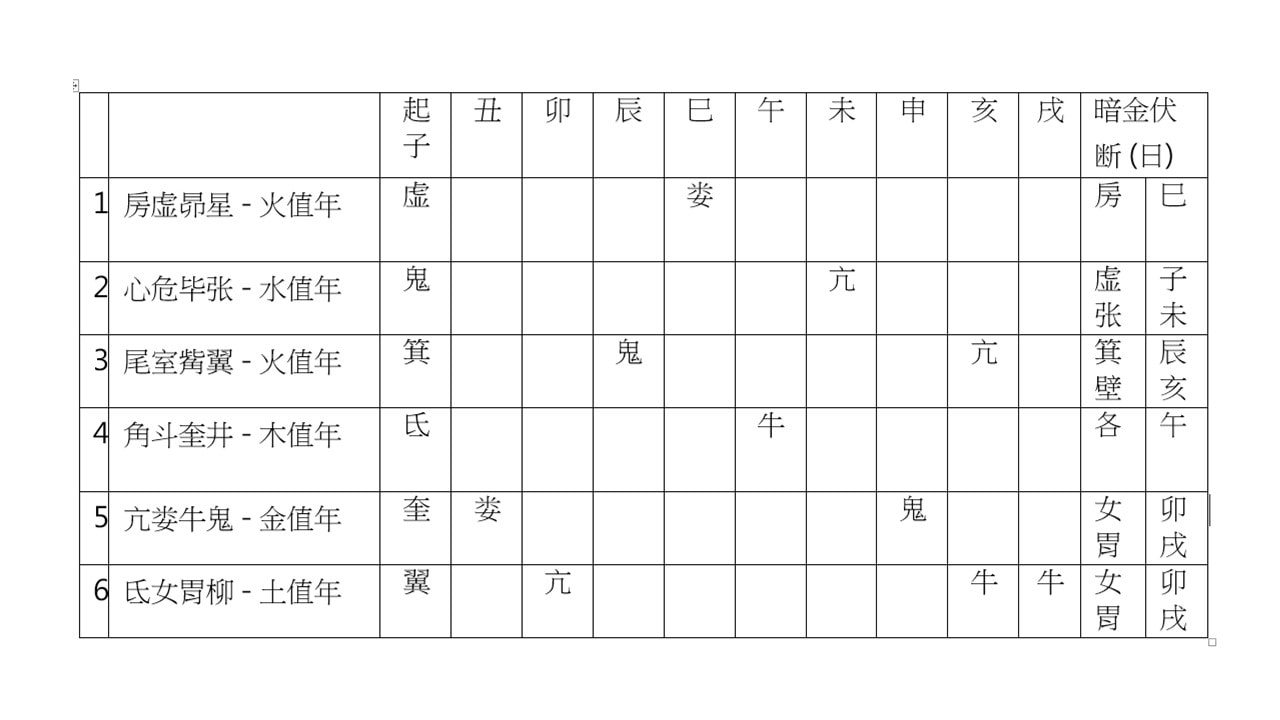 The Dark Gold Divination暗金伏断 7 governor rule states:
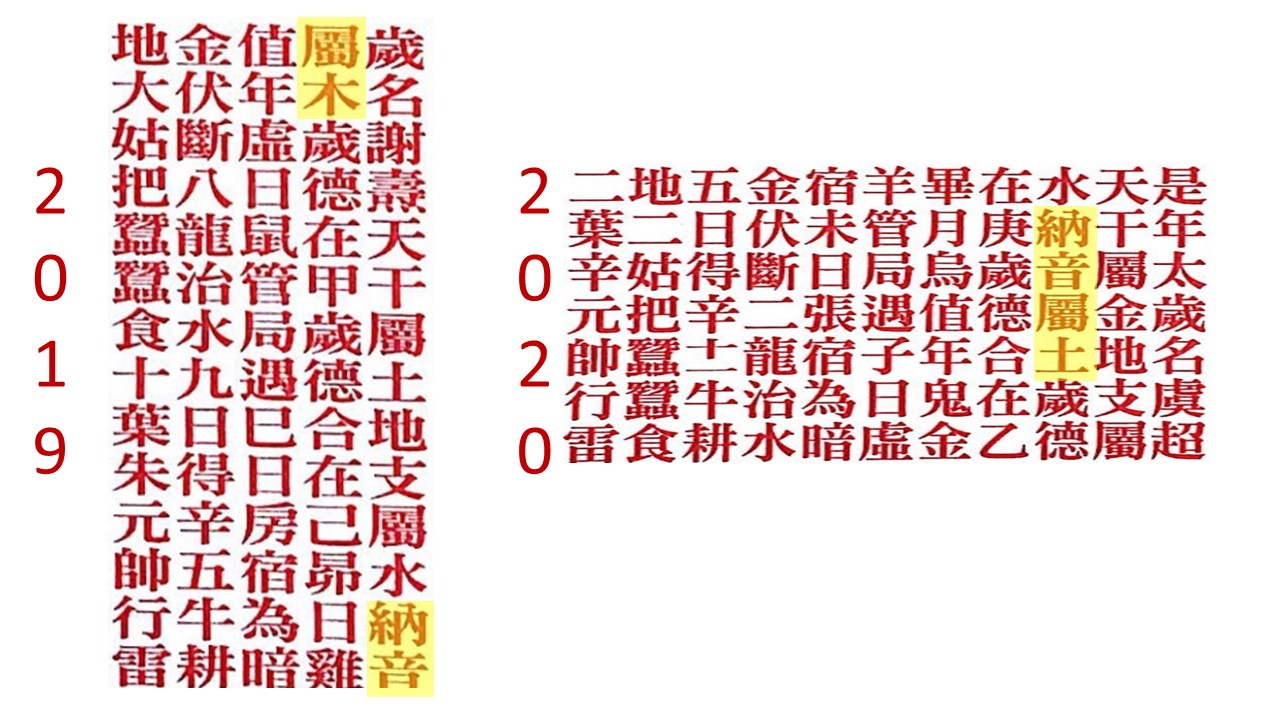
HOW MANY SONGS...Turning over the pages of the peasant calendar, we often look at the peasant's chronology. In the olden day, to know the outline of the year there are methodologies such as:
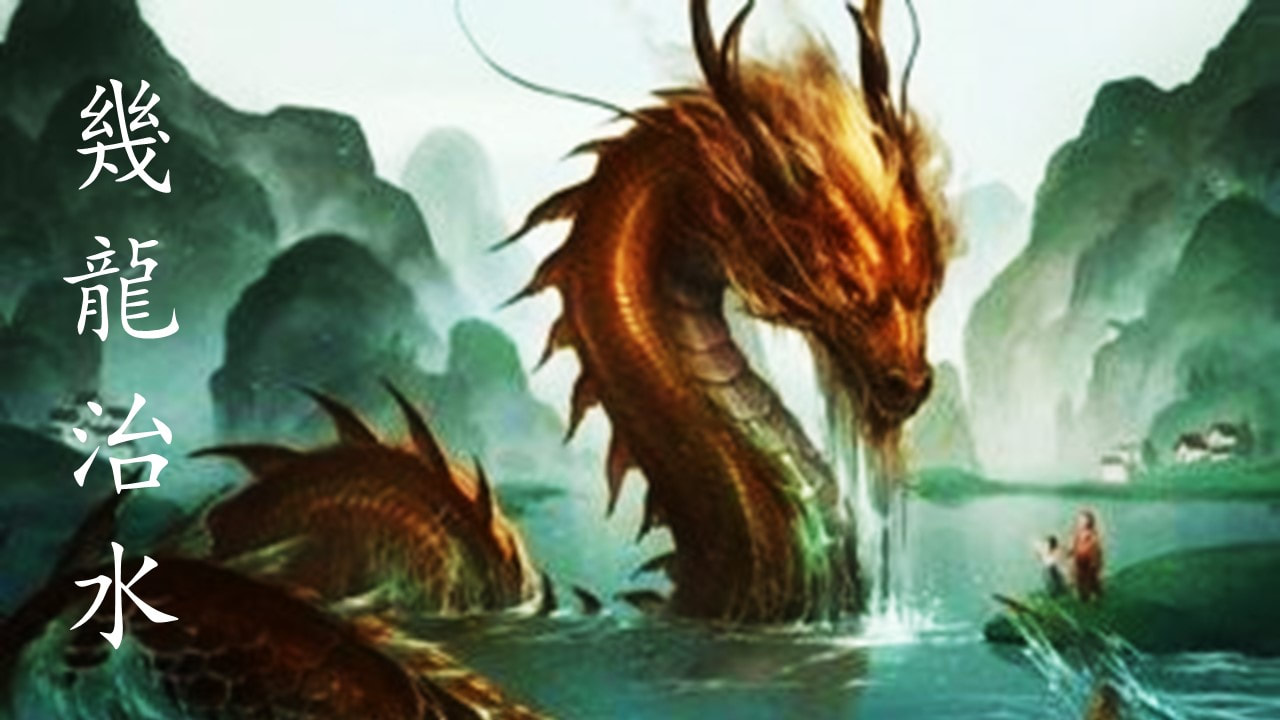 How many Dragons Govern Water幾龍治水 According to the first Chen day 辰日of the first month of the year (Chen 辰 is the dragon), it is decided on the first few days. For example: -
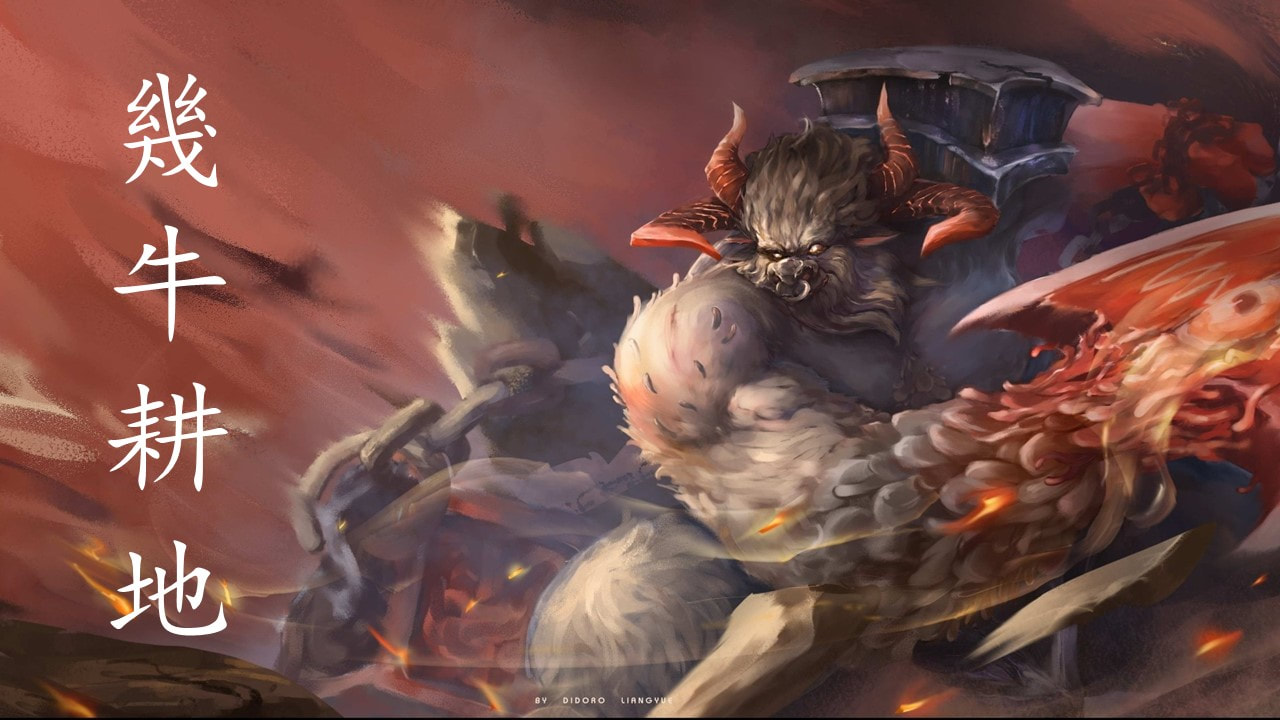 How many Oxen Toils the Fields 幾牛耕地 According to the first few days of the Lunar New Year, the Chou 丑Day is used to determine Oxen Toils the Fields, which is the first Chou 丑Day of the year (the Chou 丑is the Ox). At the beginning of the first month, it is "a few Oxen Toils the Fields " For example, in the first day of the first month of the Lunar New Year in the 97th Year of the Republic of China, the first day of the lunar calendar was DingChou 丁丑日, so it was "one Oxen Toils the Fields." The more number of Oxen Toils the Fields the much better it is for the year. 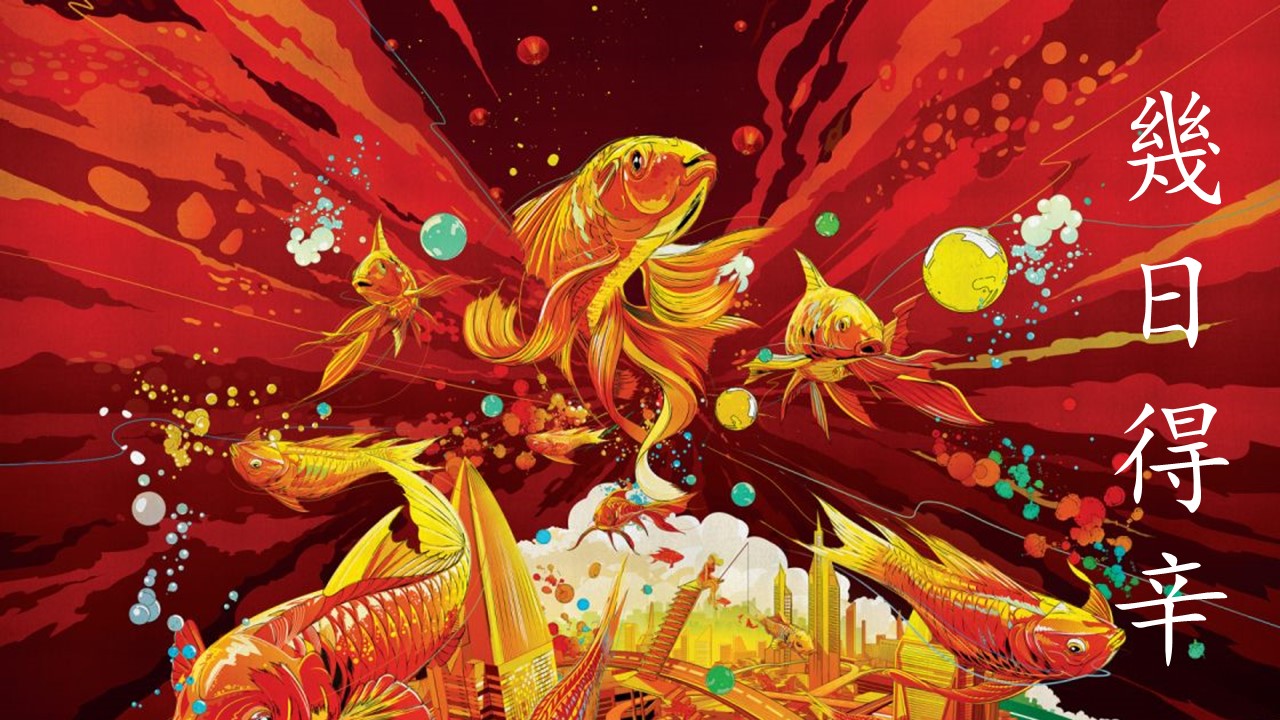 How many Days of Happiness 幾日得辛 It is based on the "Xin" day 辛日 of the first day of the peasant calendar. The meaning of "satisfaction" in Xin also represents the meaning of happiness. The closer the Xin Day to the Arrival of Spring is better. The sooner you get the Xin Day, the more the harvest will come earlier this year. The longer you get the Xin day, the more the harvest will come later.  How many Maidens Manage the Silkworms 幾姑把蠶 According to the Qing Guangxu’s "Jiaxing Fuzhi" records:
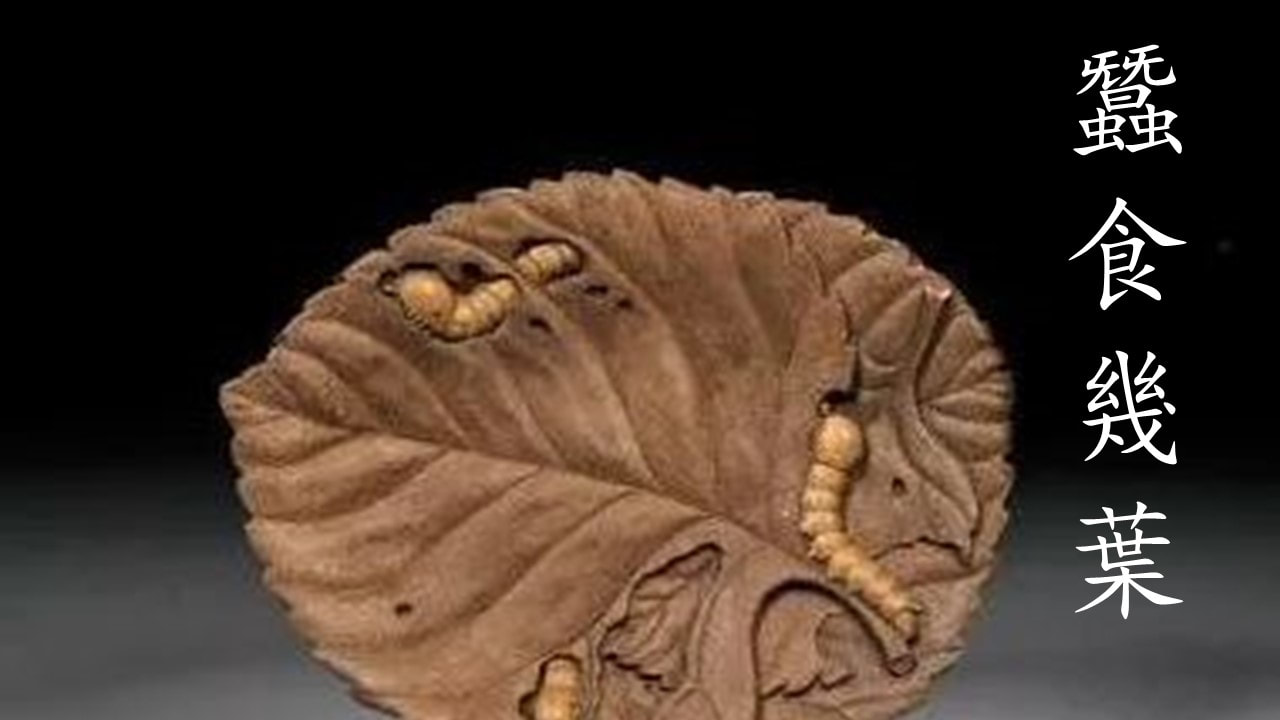 How many Leaves the Silkworm Eats 蠶食幾葉 It is based on the first NaYin wood element 納音「木」 day of the New Year. To determine the number of leaves to eat. For example:
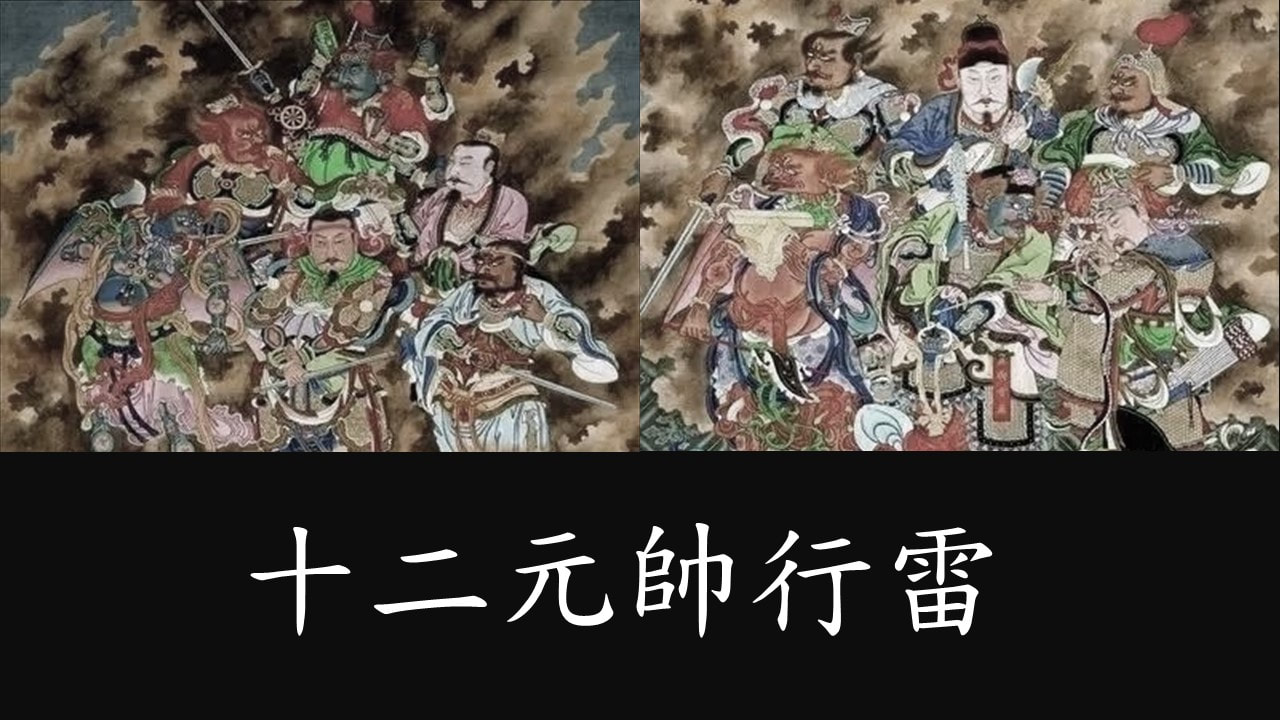
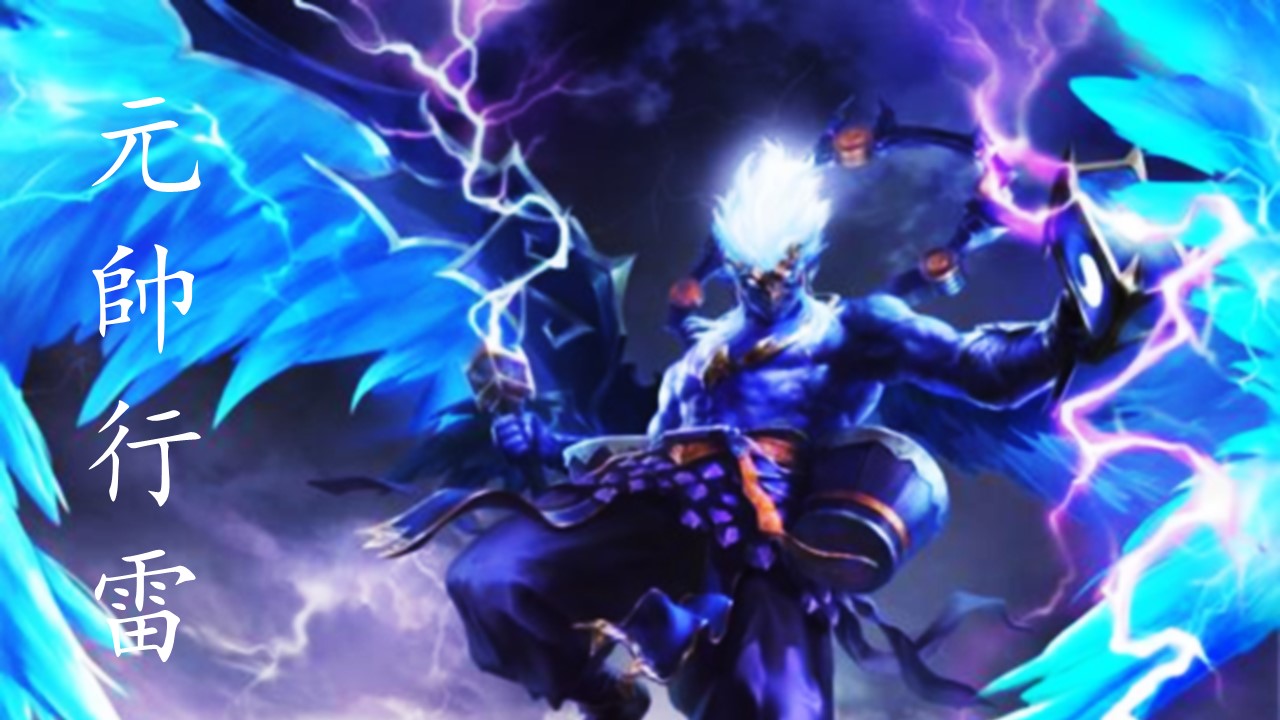 Heavenly Marshall Moves Lightning元帥行雷 The ThongShu has recorded this Heavenly Marshall Moves Lightning Method that is to use the twelve marshals to match the year’s earthly branches:
 THE FARMER'S PROSEStrange enough at one of the boxes below the Spring Ox Diagram is the Farmer's Prose in writing, telling one the weather conditions, the amount of rains, the dryness of the soil and which industry is going to prosper for the year. Wonder how many illiterate farmers going to read that? 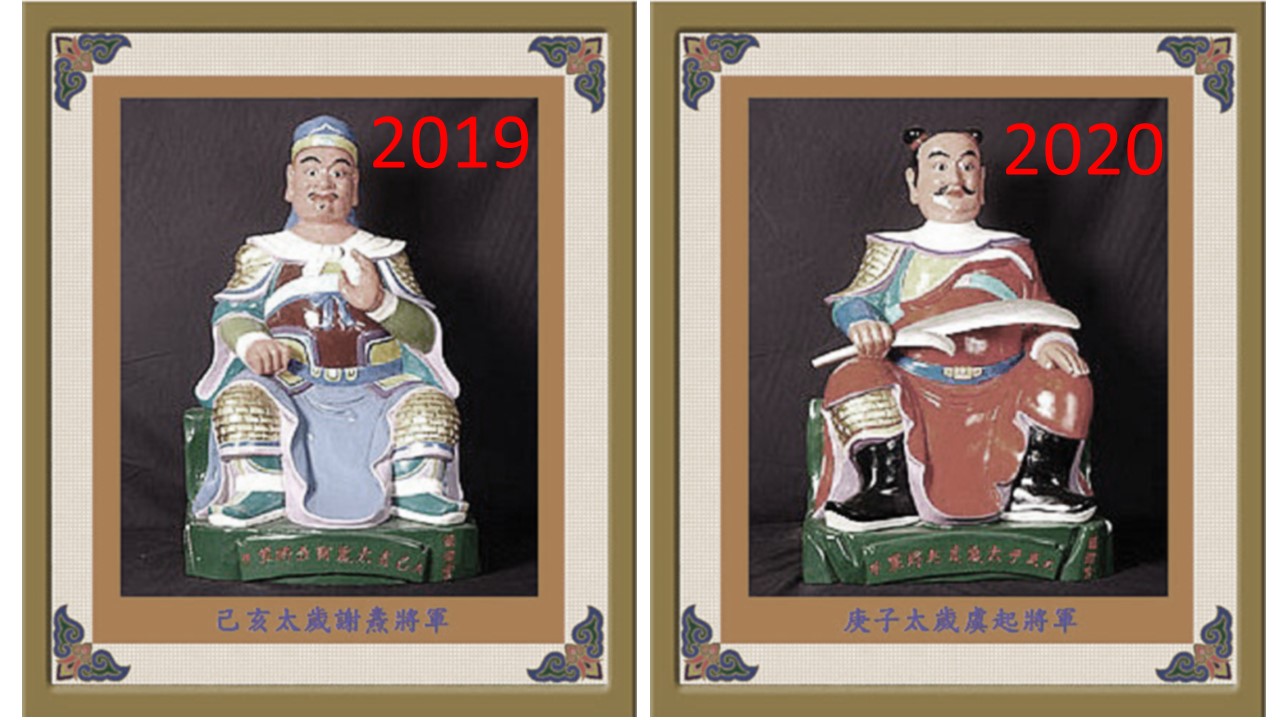
 Depends on how much of our readers liked about the knowledge of the ThongShu.... translated into the number of LIKES for this FB Page of ours, we shall indulge you on the articles about the Dark Gold Talisman Script 暗金伏斷... that is rarely explained in the English language...
|
Archives
January 2022
Categories
All
|

- Home
- About
-
Practice
-
DYA + C
-
Consultant
-
Educator
- Author I am...
- Speaking Engagement >
- Attempting Law School
- Journey in USM(Arch) >
- Discourse in Studio 6 >
-
d:KON 4
>
- Actors >
-
Acts
>
- Portraiture
- A Slice of Space Time
- Box of Installation of Lights
- Radio Misreading
- Grid of Destinies
- Shelter
- Anatomy of Pain
- Tensigrity of Ego
- Of Prisons and Walls
- Forest of Nails
- Curtain of Fears
- Dissolution of the Ego
- If it's Ain't Broken it's Ain't Worth Mending
- Flight of Freedom
- Cross of Complexity and Contradiction
- interrogation
- Stage >
- Play
- Approach
- Galleria >
- External Critique >
- Philosophy
- Codes Regulations & Standards >
- Photo Essays
- Contact

 RSS Feed
